Bengal breeders, verified by hand.
Rosettes, and the genetics behind them.
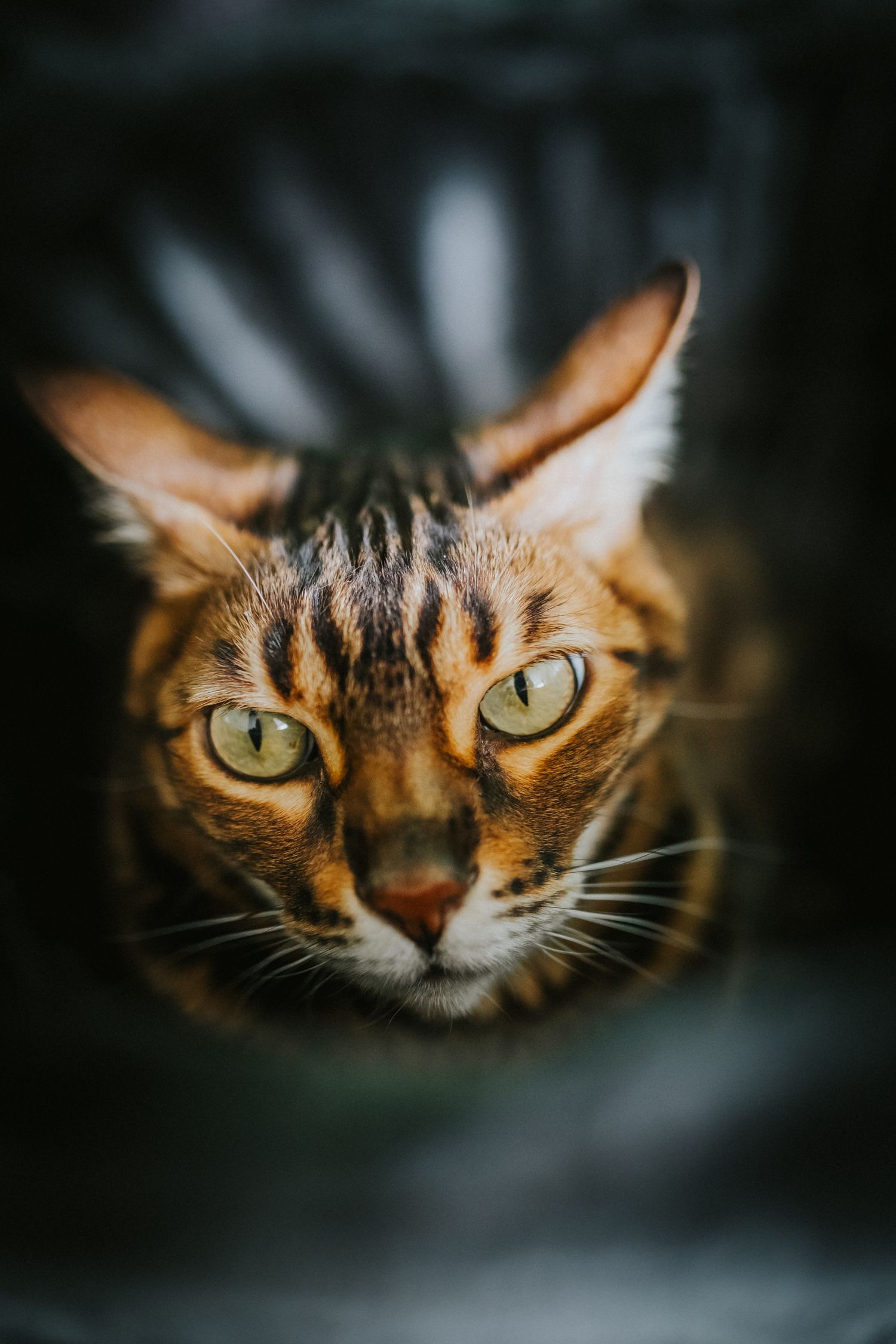
Spotted and rosetted, descended from the Asian leopard cat. The most popular hybrid breed by a wide margin, and the one with the most established health testing culture.
History
The Bengal traces to deliberate crosses between domestic cats and the Asian leopard cat, a small wild species from South and East Asia. Jean Mill's breeding programme in California in the 1960s–80s is the one most often credited with turning those crosses into a stable breed, and TICA granted championship status in 1991. Almost every Bengal sold as a pet today is many generations removed from any wild ancestor.
Living with one
Busy, athletic and interactive. Bengals climb, they open things, and they tend to want your attention rather than your lap. Most owners who are unhappy with a Bengal are unhappy because they expected a quiet cat.
What Bengals are screened for
Three tests come up constantly and a serious breeder will have all three to hand: PK-Def (pyruvate kinase deficiency, a genetic test), PRA-b (progressive retinal atrophy, a genetic test), and HCM screening by echocardiogram. The first two are one-off DNA tests on the parents. HCM is not — it is a scan, it needs repeating, and a single clear echo from years ago tells you very little.
This is what breeders in this breed commonly screen for. It is not veterinary advice, not a complete list, and Kittenry does not authenticate the documents a breeder provides — here is exactly what we do and don't check.
What the F-number actually means
Bengals descend from the Asian leopard cat. The generation counts how many steps removed a cat is from that ancestor — F1 is the first cross, and each number after it is one more generation of domestic breeding.
| Generation | Typically treated as |
|---|---|
| F1 | Often regulated as an exotic animal |
| F2 | Often regulated as an exotic animal |
| F3 | Often regulated as an exotic animal |
| F4 | Generally treated as a domestic cat |
| F5 | Generally treated as a domestic cat |
| SBT | Generally treated as a domestic cat |
Legality is your responsibility
Early-generation Bengals are restricted in some states and cities, and the rules change. We flag generations that are commonly regulated — we do not determine what is legal where you live. Confirm with your own state and municipality before you pay a deposit. This page is not legal advice.
Four questions worth asking
Can I see PK-Def and PRA-b results for both parents?
When was each parent last echoed for HCM, and by whom?
What generation is this kitten, and who were the last wild-descended ancestors?
At what age do kittens go home, and are they neutered before leaving?
And one rule that applies to every breed on this site: pay by credit card. Zelle, Cash App and wire transfers have no chargeback rights. Kittenry never handles your money — you pay the breeder directly, and we want your dispute rights intact.
Bengals on Kittenry
We're onboarding our founding catteries now, and Bengal is one of the breeds we're actively recruiting. If you breed Bengals, apply here — the first catteries in each breed are listed free.
Looking for a Bengal?
Tell us what you're after and we'll point you at the right cattery when one has kittens.
0 other waiting for a Bengal right now.